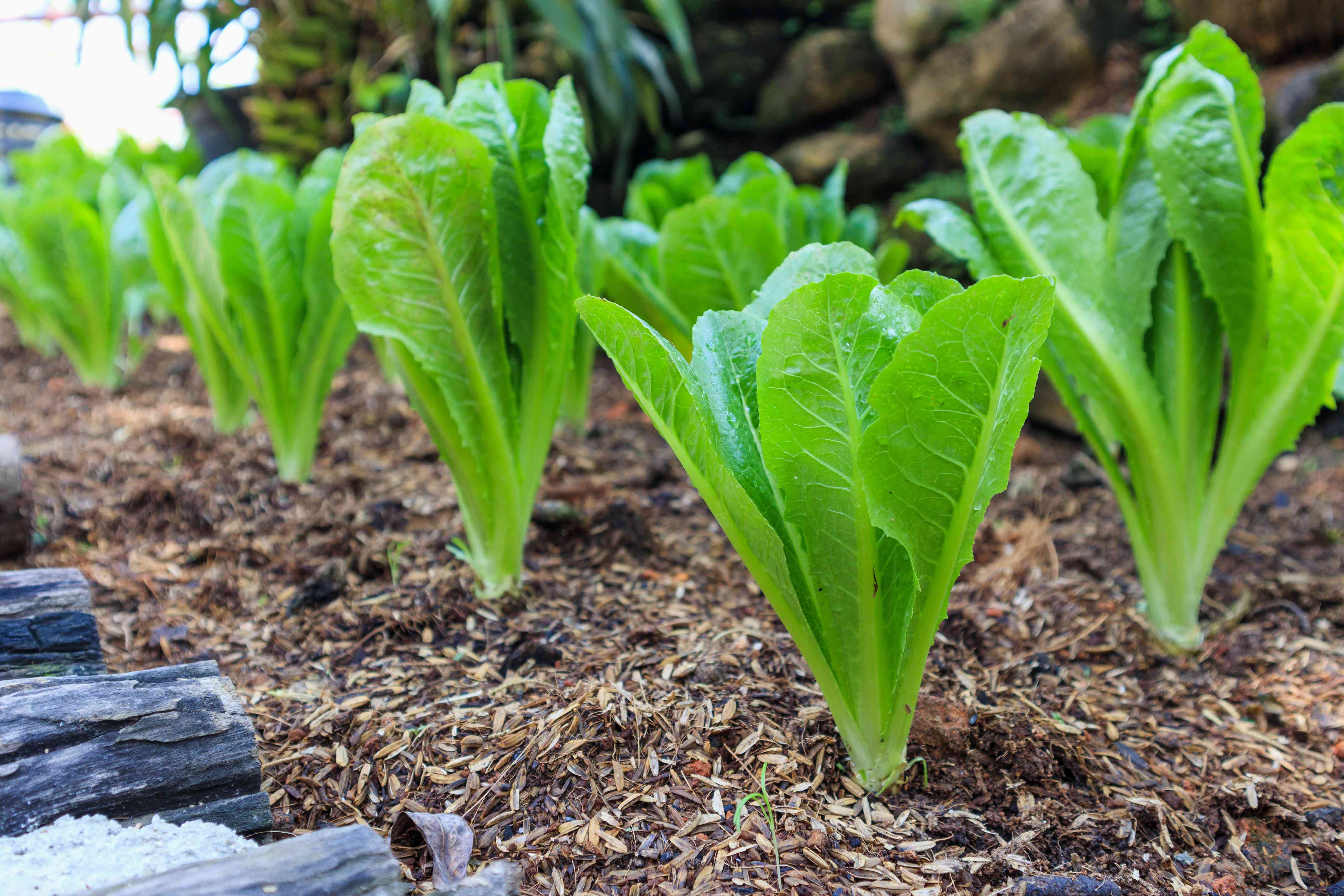
Imagine plucking vibrant, crisp green leaves from your own garden, knowing they're destined for a spectacular Caesar salad or a refreshing sandwich. Growing your own romaine lettuce is not only incredibly rewarding but also surprisingly straightforward, making it an ideal project for both novice and experienced gardeners. This comprehensive guide to romaine lettuce cultivation will walk you through every step, from selecting the right seeds to enjoying that satisfying, crunchy harvest.
Romaine lettuce, also known as 'cos lettuce,' is a distinctive variety celebrated for its tall, upright growth and robust texture. Unlike other types that form loose, round heads, romaine boasts long, sturdy leaves with a prominent midrib running down the center. These leaves transition from a deep green on the outside to a paler, wonderfully crunchy heart. Its flavor is generally neutral, sometimes with a subtle bitterness that adds complexity, making it an incredibly versatile culinary ingredient. Its sturdy nature ensures it holds up beautifully to rich dressings and abundant toppings, which is why it's the undisputed star of classic Caesar salads and a beloved addition to burgers, sandwiches, and wraps.
Why Grow Your Own Romaine Lettuce?
Beyond the simple joy of gardening, there are numerous compelling reasons to cultivate your own romaine lettuce at home. The difference in taste and texture between a store-bought head and one harvested fresh from your garden is truly remarkable.
The Distinctive Charm of Romaine
Homegrown romaine offers an unparalleled freshness that store-bought varieties often can't match. The leaves are at their peak crispness, bursting with flavor and nutrients. You'll notice the distinct snap and satisfying crunch that elevates any dish. Furthermore, growing your own allows you complete control over the cultivation process, meaning you can ensure your lettuce is organic and free from unwanted pesticides or chemicals. This not only benefits your health but also contributes to a more sustainable lifestyle. It’s also incredibly cost-effective in the long run, providing a continuous supply of this kitchen staple for a fraction of supermarket prices.
The unique physical attributes of romaine, such as its sturdy yet tender leaves and the satisfying crunch of its inner ribs, make it exceptionally versatile. From holding up perfectly in a substantial salad to providing a refreshing counterpoint in a hearty sandwich, homegrown romaine will quickly become a highlight of your culinary endeavors.
Getting Started: Choosing Varieties and Preparing Your Garden
Success begins with careful planning. Selecting the right variety and preparing an optimal growing environment are crucial first steps in your romaine cultivation journey.
Selecting the Perfect Romaine Variety
While many gardeners picture the classic green romaine, there's a surprising diversity of varieties to explore, each with its own advantages:
- Parris Island Cos: A popular, reliable choice known for its vibrant green color, crisp texture, and good disease resistance. It's a robust grower, ideal for most climates.
- Jericho: Highly regarded for its heat tolerance, making it an excellent option for gardens in warmer regions or for extending the growing season. It produces large, flavorful heads.
- Little Gem: A smaller, more compact variety that produces tender, sweet leaves. Perfect for smaller spaces or containers, offering a quicker harvest.
- Rouge d'Hiver: An heirloom variety featuring beautiful reddish-bronze outer leaves and a crisp green heart. It's known for its cold tolerance and adds visual appeal to your garden and plate.
Consider your local climate and personal preferences when making your choice. Some varieties are more bolt-resistant (slower to go to seed in heat), which can be a significant factor.
Site Selection and Soil Preparation
Romaine lettuce thrives in locations that receive at least 6 hours of direct sunlight per day. While it appreciates some afternoon shade in hot climates to prevent bolting, consistent sun is essential for robust growth.
The foundation of healthy lettuce is healthy soil. Romaine prefers well-draining, rich, fertile soil with a pH between 6.0 and 7.0. Before planting, amend your garden bed generously with organic matter such as compost or well-rotted manure. This will improve soil structure, drainage, and nutrient content, providing an ideal environment for your lettuce to flourish. A soil test can help you determine if any further amendments are needed.
Planting Romaine: Seeds, Starts, and Spacing
Whether you prefer the satisfaction of starting from seed or the convenience of young plants, planting romaine is a straightforward process.
Sowing Seeds vs. Transplanting Starts
You have two primary options for planting romaine:
- Starting from Seed: This is the most economical option and offers a wider choice of varieties. You can direct sow seeds into your garden bed or start them indoors 3-4 weeks before your last expected frost. For direct sowing, plant seeds about 1/2 inch deep and 1 inch apart.
- Using Transplants (Starts): If you want a head start or prefer not to deal with germination, purchasing young romaine plants from a nursery is a great option. Transplants generally establish quicker and lead to an earlier harvest.
Optimal Planting Times and Conditions
Romaine lettuce is a cool-season crop, meaning it thrives in mild temperatures. The ideal growing temperature range is between 60-70°F (15-21°C). This makes spring and fall the prime planting seasons in most regions.
- Spring Planting: Plant seeds or transplants as soon as the danger of hard frost has passed, typically 2-4 weeks before your last expected frost date. For a continuous harvest, practice succession planting by sowing new seeds every 2-3 weeks.
- Fall Planting: Romaine is an excellent choice for a fall garden. Plant seeds or transplants about 8-10 weeks before your first anticipated fall frost. The cooling temperatures and shorter days provide ideal conditions for crisp, flavorful growth. Many varieties can even tolerate light frosts, extending your harvest into winter in milder climates.
Avoid planting during the peak of summer heat, as this can cause the lettuce to "bolt," or send up a flower stalk, making the leaves bitter and inedible.
Proper Spacing for Success
Adequate spacing is crucial for healthy romaine growth, ensuring good air circulation and preventing competition for nutrients and light.
- For Seeds: After germination, thin seedlings to 6-12 inches apart, depending on the variety's mature size. Smaller varieties like Little Gem can be spaced closer, while larger types like Jericho need more room.
- For Transplants: Plant individual romaine starts 6-12 inches apart in rows that are 12-18 inches apart. This spacing allows each plant to develop a full head and minimizes the risk of disease.
Nurturing Your Romaine: Care and Maintenance
Once planted, your romaine lettuce will need consistent care to develop into those coveted crisp heads. This stage is where your daily attention truly pays off.
Watering Wisely
Consistent moisture is paramount for romaine lettuce. It has shallow roots and dries out quickly, especially in sunny or windy conditions. Aim for about 1 inch of water per week, either from rainfall or irrigation. The soil should remain consistently moist but never waterlogged, which can lead to root rot. Deep, infrequent watering is generally better than shallow, frequent watering, as it encourages deeper root growth. Using drip irrigation or soaker hoses is an excellent way to provide consistent moisture directly to the root zone while keeping the leaves dry, which helps prevent fungal diseases.
Feeding for Flavor and Growth
Romaine is not a heavy feeder, especially if your soil was well-amended with compost at planting. However, a light feeding with a balanced, organic fertilizer (such as a liquid seaweed or fish emulsion) every 3-4 weeks can boost growth, particularly in poorer soils or if you notice slow development. Always follow package directions for application rates.
Pest and Disease Management
Like all garden plants, romaine can be susceptible to a few pests and diseases:
- Pests: Common culprits include aphids, slugs, and cutworms. Inspect your plants regularly. Aphids can often be dislodged with a strong spray of water or treated with insecticidal soap. Slugs are best managed with organic bait or by hand-picking them in the evening. Cutworms can be deterred by placing cardboard collars around young seedlings at soil level.
- Diseases: Fungal issues like downy mildew and powdery mildew can occur, especially in humid conditions. Ensure good air circulation by proper spacing and avoid overhead watering. Remove any affected leaves immediately.
Early detection and organic prevention methods are your best defense against most problems.
Bolting Prevention
Bolting occurs when lettuce plants send up a flower stalk and go to seed, usually triggered by rising temperatures and longer daylight hours. Bolted lettuce becomes bitter and tough. To prevent bolting:
- Choose Bolt-Resistant Varieties: Some varieties are bred to be slower to bolt.
- Plant in Succession: Sow small batches every few weeks so you harvest before the weather gets too hot.
- Provide Shade: In spring, as temperatures rise, use shade cloth to protect your plants from intense afternoon sun.
- Consistent Watering: Keep the soil consistently moist to reduce plant stress.
Harvest Time: Enjoying Your Crisp Romaine
The culmination of your efforts is the harvest, and with romaine, you have options for how and when to pick your delicious bounty.
When and How to Harvest
Romaine lettuce is typically ready for harvest 60-70 days after sowing seeds or 30-45 days after transplanting starts. You can tell it's ready when the heads are firm and the outer leaves are a vibrant green.
There are two main harvesting methods:
- Cut-and-Come-Again: This method allows for multiple harvests from a single plant. Simply snip the outer, mature leaves about an inch from the base, allowing the inner leaves to continue growing. This method is excellent for a continuous supply of fresh greens for salads throughout the season.
- Whole Head Harvest: For a more substantial harvest, or when your growing season is coming to an end, you can harvest the entire head. Use a sharp knife to cut the plant at the soil line. If you leave about an inch of the base in the ground, it's possible for the plant to regrow a smaller, secondary head.
Harvest in the morning after the dew has dried, as the leaves will be at their crispest and most flavorful.
Post-Harvest Care and Storage
Once harvested, immediately rinse your romaine under cool water to remove any dirt or garden critters. Pat it dry thoroughly or use a salad spinner to remove excess moisture. Properly washed and dried romaine can last significantly longer in the refrigerator. For detailed instructions on how to properly wash, chop, and store your harvest to maximize its freshness, explore our in-depth guides: The Ultimate Romaine Guide: Prep, Store, & Keep It Crisp and Keep Romaine Fresh Longer: Storage, Washing & Cutting Secrets.
Growing your own romaine lettuce is a truly rewarding experience that connects you more deeply with your food. With this comprehensive guide to romaine lettuce, you're well-equipped to nurture your plants from tiny seeds to a bountiful harvest of crisp, delicious leaves. Enjoy the unparalleled flavor and freshness that only homegrown produce can offer!
