The Ultimate Romaine Guide: Prep, Store, & Keep It Crisp
Romaine lettuce, also affectionately known as "cos lettuce," stands tall among its leafy green counterparts. Renowned for its satisfying crunch and versatile nature, it's a staple in kitchens worldwide, gracing everything from classic Caesar salads to hearty sandwiches. But mastering the art of keeping this vibrant vegetable at its peak crispness can sometimes feel like a culinary challenge. Fear not! This comprehensive
guide to romaine lettuce will walk you through everything you need to know, from selecting the best head at the market to expert prep and storage techniques, ensuring every bite is as fresh and crunchy as intended.
Understanding Romaine: More Than Just a Salad Base
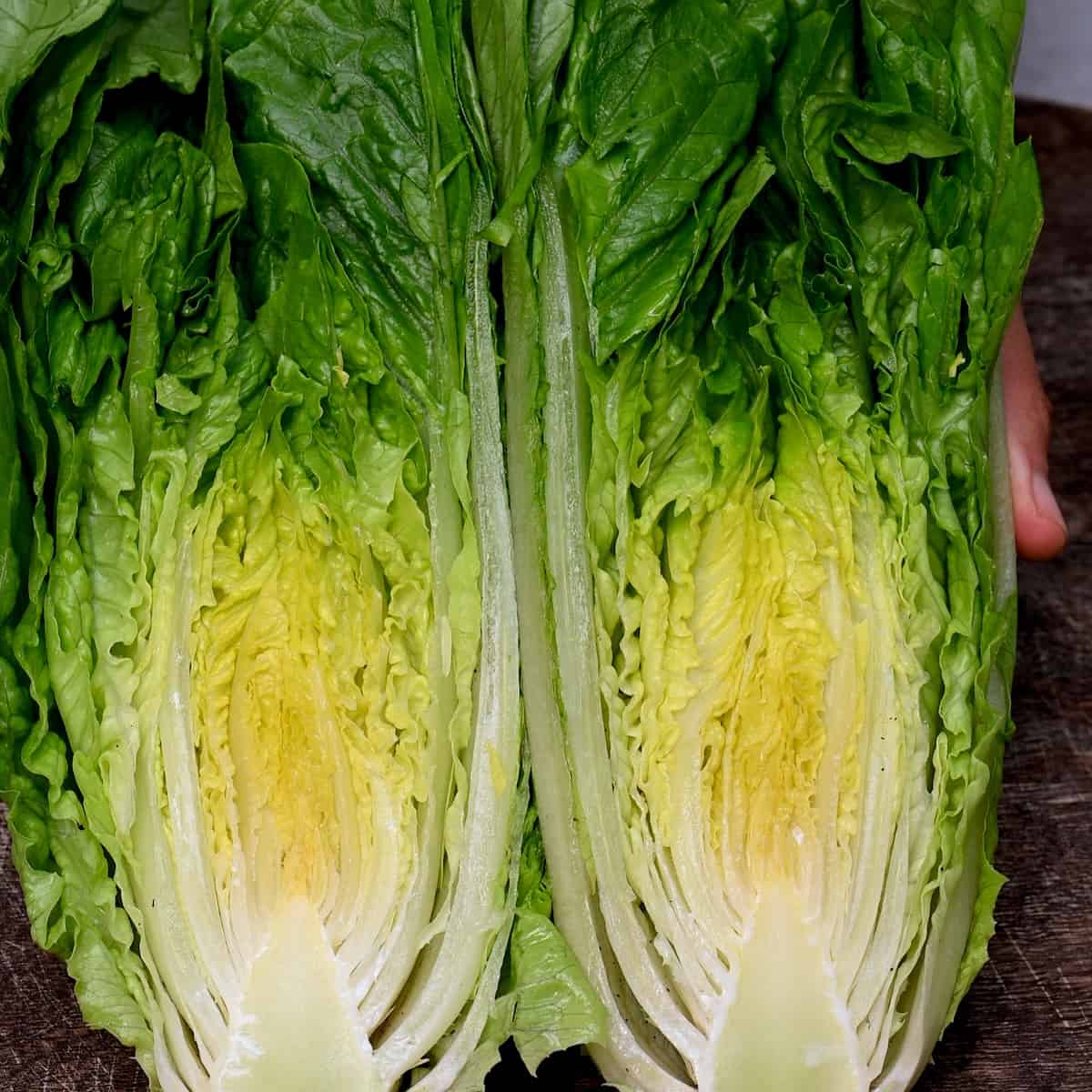
What makes romaine so special? Unlike its rounder relatives, romaine grows in an elongated, upright head, characterized by sturdy, somewhat cupped leaves. These leaves transition from a darker green on the outer layers to a paler, incredibly crunchy core, all supported by a firm, prominent midrib. Its flavor profile is generally neutral, sometimes with a faint, pleasant bitterness, making it an excellent canvas for various dressings and ingredients.
The robust texture of romaine is its superpower. It holds up exceptionally well against creamy dressings, heavy toppings, and even grilling, making it far less prone to wilting than more delicate lettuces. This durability is why it's the undisputed star of Caesar salad and a go-to for adding a refreshing bite to burgers, wraps, and tacos.
Choosing and Preparing Your Romaine for Peak Freshness
The journey to crisp romaine begins even before you leave the grocery store. Selecting a high-quality head is the first crucial step in ensuring its longevity and flavor.
Selecting the Best Romaine
When browsing the produce aisle, look for heads of romaine that are:
- Tight and Compact: A firm, tightly bunched head indicates freshness. Avoid loose or sparse heads.
- Vibrantly Colored: The leaves should have a rich green hue, ranging from deep green on the outside to lighter green in the center. Steer clear of any with yellowing, brown spots, or dull, faded colors.
- Crisp and Firm: Gently squeeze the head or feel individual leaves. They should feel crisp and firm, not limp, rubbery, or slimy.
- Free from Damage: Inspect for any signs of bruising, tears, or insect damage.
How to Wash Romaine Lettuce Properly
Proper washing is essential to remove any dirt, grit, or lingering pesticides. While some prefer to wash whole leaves, we recommend cutting first for a more thorough clean.
- Rough Chop First: Start by cutting the romaine into your desired size or separating the leaves. This allows water to access all surfaces.
- Submerge and Swish: Place the cut romaine in a large bowl filled with cold water. Gently swish the lettuce around with your hands for about 30 seconds. Any grit will settle at the bottom of the bowl. Alternatively, place the lettuce in a colander and rinse thoroughly under cool running water, swishing it around.
- Drain and Dry Thoroughly: This step is critical for preventing wilting and promoting crispness during storage. You have a few excellent options:
- Salad Spinner: The most efficient method. Load the washed lettuce into a salad spinner and spin until completely dry. You might need to do this in batches.
- Paper Towels/Clean Cloth: Spread the lettuce in a single layer on a clean kitchen towel or several layers of paper towels. Gently roll or pat dry. Repeat with fresh towels if necessary until no moisture remains.
Chef's Tip: Any residual moisture is the enemy of crisp lettuce during storage, as it encourages spoilage and sliminess. Don't skip the drying!
Cutting Romaine Lettuce: Techniques for Every Dish
The way you cut your romaine can impact both its presentation and how it integrates into your dish. Here are a couple of popular methods:
- Simple Strips (Cross-Cut):
- Lay the whole romaine head on a cutting board.
- Starting from the top, simply slice across the head to create strips of your desired thickness. This is great for salads where you want uniformly sized pieces.
- Halved and Cored (V-Cut): Ideal for grilling, large salad wedges, or more structured salads like Caesar.
- Slice the romaine head in half lengthwise, right through the core.
- Turn the halves cut-side-up. Using a sharp knife, make two V-shaped cuts around the tough core at the bottom of each half to remove it.
- From here, you have options:
- Long Strips: Slice across the cored halves to create long, elegant strips.
- Chopped: Divide the cored halves lengthwise into two or three sections, then slice across them to achieve a more traditional chop.
Mastering Romaine Storage for Lasting Crispness
The true secret to enjoying crisp romaine for days lies in proper storage. Whether you prefer to store it whole or prepped, these methods will maximize its shelf life. For even more detailed insights into maintaining freshness, be sure to check out our article on
Keep Romaine Fresh Longer: Storage, Washing & Cutting Secrets.
Storing a Whole Head of Romaine
If you plan to use your romaine within a week, storing it whole is an excellent option:
- Wrap in Paper Towels: Upon arriving home, loosely wrap the entire head of romaine in a few layers of dry paper towels. This helps absorb excess moisture.
- Into the Crisper Drawer: Place the wrapped romaine in the crisper drawer of your refrigerator. The crisper drawer is designed to maintain optimal humidity levels for produce.
- Mind the Neighbors: Avoid storing romaine near ethylene-producing fruits and vegetables like apples, bananas, or tomatoes. Ethylene gas can accelerate the spoilage of sensitive produce like lettuce.
With this method, a whole head of romaine can stay fresh and crisp for 7-10 days.
Storing Washed and Chopped Romaine
For ultimate convenience, you can wash and chop your romaine ahead of time. This method is perfect for quick meal prep but has a slightly shorter shelf life than whole heads.
- Ensure it's Bone Dry: As emphasized earlier, this step is paramount. Use a salad spinner or paper towels to ensure absolutely no moisture remains on the leaves.
- Choose Your Container:
- Airtight Container: Place the dry, cut lettuce into an airtight food storage container.
- Ziplock Bag: If using a resealable plastic bag, try to press out as much air as possible before sealing.
- The Paper Towel Trick: For an extra layer of protection against wilting, tuck a fresh, dry paper towel into the container or bag amongst the lettuce leaves. The paper towel will absorb any condensation that forms. Change the paper towel every day or two if it becomes damp.
Stored this way, washed and chopped romaine typically stays fresh for 3-5 days.
Reviving Wilted Romaine: A Chef's Lifesaver
Don't despair if your romaine looks a little sad and limp! Often, it's just dehydrated.
- Ice-Water Bath: Submerge the wilted leaves (or even a whole head) in a large bowl of ice-cold water.
- Soak and Refresh: Let it soak for about 5-10 minutes. You'll be amazed as the leaves plump up and regain their crispness.
- Dry Thoroughly: Remove from the water and dry completely using a salad spinner or paper towels before using or storing.
Can You Freeze Romaine Lettuce?
Technically, yes, you *can* freeze romaine lettuce for up to 6 months in an airtight bag. However, it's important to understand the significant trade-off. Upon thawing, the texture of frozen romaine becomes soft and mushy, losing all its crispness. Therefore, freezing romaine is only recommended if you intend to use it in cooked dishes where texture isn't paramount, such as soups, smoothies, or stir-fries, rather than fresh salads.
Beyond the Salad Bowl: Creative Uses for Romaine
While Caesar salad might be its most famous role, romaine's robust texture and mild flavor make it incredibly versatile:
- Grilled Romaine: Halve romaine heads, brush with olive oil, season, and grill briefly for a smoky, warm side dish.
- Lettuce Wraps: Its sturdy leaves are perfect as a low-carb alternative to tortillas for filling with anything from spicy chicken to savory tofu.
- Sandwiches & Burgers: Adds essential crunch and freshness without getting soggy.
- Soups & Stews: Stir into soups or stews at the end of cooking for a slight bitterness and added nutrition.
Cultivating Your Own Romaine
For the truly enthusiastic, growing your own romaine lettuce is a rewarding endeavor. Romaine is relatively easy to cultivate, thriving in cool weather and providing a continuous supply of crisp leaves. If you're inspired to try your hand at home gardening, our guide on
Grow Your Own Romaine Lettuce: From Seed to Crisp Harvest offers a step-by-step approach to growing this garden favorite.
Conclusion
Romaine lettuce is an indispensable ingredient, offering both exceptional crunch and versatility. By understanding how to select the freshest heads, employing proper washing and cutting techniques, and utilizing smart storage solutions, you can significantly extend its shelf life and ensure every culinary creation benefits from its vibrant crispness. Whether you're a seasoned chef or a home cook, this ultimate
guide to romaine lettuce empowers you to enjoy this fantastic vegetable at its very best, making tired, limp lettuce a thing of the past.