Understanding Romaine: The Versatile Core of Crispness
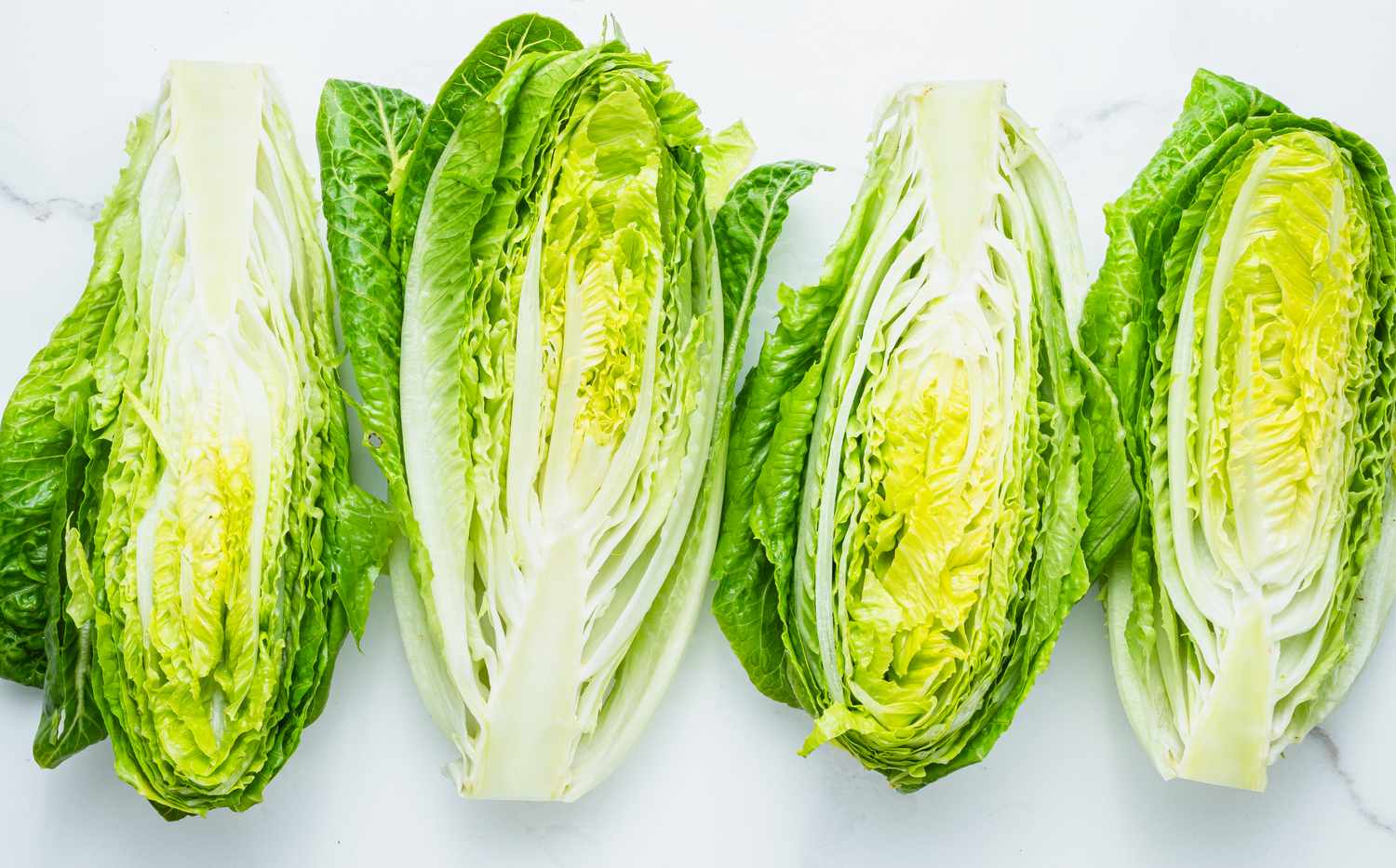
Romaine lettuce, often recognized as "cos lettuce," is a beloved staple in kitchens worldwide, cherished for its distinct characteristics that set it apart from its leafy green cousins. Unlike many rounder lettuce varieties, romaine grows in an elongated, upright head, boasting sturdy leaves that transition from a deep, vibrant green on the outside to a pale, almost white crunchiness at its heart. These leaves are defined by a firm, central rib running their length, which contributes significantly to their iconic crisp texture.
Its flavor profile is generally neutral, sometimes carrying a subtle, pleasant bitterness, making it incredibly versatile. This crisp sturdiness is precisely why romaine is the star of classic dishes like Caesar salad – it holds up beautifully under the weight of rich dressings and hearty toppings without wilting into a sad, soggy mess. Beyond salads, romaine brings its refreshing crunch to sandwiches, wraps, and burgers, adding a delightful textural contrast that elevates any meal. To truly master this wonderful vegetable and make it a long-lasting joy in your culinary adventures, understanding the best practices for selection, washing, cutting, and storage is key. Consider this your ultimate
guide to romaine lettuce, ensuring every leaf remains as fresh and crisp as possible.
Mastering the Art of Washing Romaine for Peak Freshness
Properly washing romaine lettuce isn't just about hygiene; it's a critical step in preserving its crispness and extending its shelf life. Many people instinctively try to wash a whole head, but this often leaves hidden grit and excess moisture trapped within the tightly packed leaves. Here’s a more effective approach:
Pre-Washing Preparation is Key
Before you even think about water, consider how you’ll use your romaine. If you plan to use it within a few days, washing it leaf-by-leaf or chopping it first is generally the most efficient method. This allows water to access all surfaces effectively and ensures a more thorough clean. For longer storage of a whole head, washing can be done just before use.
The Two Best Washing Methods:
- The Bowl Swish Method (Preferred for Chopped/Separated Leaves):
- Chop First: Begin by cutting your romaine as desired – whether you’re tearing individual leaves or chopping the entire head into strips or chunks.
- Submerge and Swish: Place the cut lettuce into a large bowl filled with cold water. Gently swish the lettuce around with your hands for about 30-60 seconds. You’ll notice any dirt, sand, or tiny insects sinking to the bottom of the bowl.
- Repeat if Necessary: If the water is particularly murky, drain it and repeat the process with fresh water until the water remains clear.
- The Colander Rinse Method (Good for Individual Leaves or Small Chunks):
- Under Running Water: Place your separated or chopped romaine in a colander. Rinse it thoroughly under cool, running water, tossing it gently to ensure all parts are exposed to the stream.
- Agitate: Use your hands to gently agitate the leaves, helping dislodge any stubborn debris.
The Golden Rule: Dry, Dry, Dry!
This step cannot be overstated: thorough drying is absolutely essential for both crispness and storage. Excess moisture is the enemy of fresh lettuce, promoting wilting and spoilage.
- Salad Spinner Power: The most efficient tool for drying lettuce is a salad spinner. After washing, place the lettuce in the spinner and spin until the leaves are visibly dry and crisp. You might need to do this in batches.
- Paper Towel Method: If you don't have a salad spinner, spread the washed lettuce out in a single layer on clean paper towels or a clean kitchen towel. Gently pat dry with more paper towels. You can also loosely gather the corners of the towel and gently swing it around (outdoors, if possible!) to use centrifugal force, similar to a spinner.
Taking the time to wash and dry your romaine properly will dramatically improve its quality, taste, and longevity.
Cutting Romaine Lettuce Like a Pro: Techniques for Every Dish
How you cut your romaine can significantly impact its presentation, texture, and how it integrates into a dish. While there’s no single "right" way, different methods cater to different culinary needs.
Preparing the Head: Core Removal
For most cutting methods, especially if you want uniform pieces, it’s often best to address the tough core first.
- Halve Lengthwise: Slice the entire head of romaine in half lengthwise, from top to bottom.
- V-Cut the Core: With the cut side facing up, use a sharp knife to make two angled cuts, forming a "V" shape around the core at the base of each half. This removes the tough, often bitter, central core.
Popular Cutting Styles:
- Classic Cross-Cut Strips: This is perhaps the most common method. After halving and coring (or even without coring if you prefer a rustic look), simply lay the romaine halves flat, cut-side down, and slice across the leaves at your desired thickness. This yields crisp, bite-sized pieces perfect for most salads, wraps, or as a bed for protein.
- Longer Strips for Wraps or Layering: If you need longer pieces, such as for the base of a wrap, to layer on a sandwich, or for a more substantial salad, you can first slice the cored romaine halves lengthwise into two or three long sections. Then, you can either use these long sections as is or slice them across if you still desire a slight chop but with more length than the classic cross-cut.
- Hand Tearing for Texture: For a more rustic appearance and to avoid the "bruising" that some believe occurs with knife cuts (though this is largely a myth for quality knives), simply tear the romaine leaves into bite-sized pieces by hand. This method is excellent for simple green salads where a less uniform look is desired.
Choose the cutting technique that best suits your recipe. For example, thin strips integrate beautifully into a finely chopped salad, while longer, sturdier pieces are ideal for a robust Caesar salad that requires structure.
The Ultimate Guide to Romaine Lettuce Storage: Keep it Crisp, Longer
Extending the life of your romaine lettuce begins with smart shopping and ends with proper storage techniques. Here’s a comprehensive approach to keeping your greens vibrant and crunchy.
Starting Fresh: Selecting the Best Romaine
Your storage efforts will only go as far as the initial quality of your lettuce. When at the supermarket, look for:
- Tight, Firm Heads: A good head of romaine should feel dense and solid, not loose or flimsy.
- Vibrant Color: Leaves should be a rich green (or purple, depending on variety) without any yellowing, browning, or dull spots.
- Crisp Leaves: Avoid heads with limp, wilted, or slimy leaves. A slight squeeze should confirm its firmness.
Storage Options for Maximum Longevity:
Option 1: Storing a Whole Head (Unwashed)
This method is ideal if you want your romaine to last as long as possible before use, typically 7-10 days.
- Wrap in Paper Towels: Upon returning home, wrap the entire unwashed head of romaine loosely in a few sheets of dry paper towels. The paper towels will absorb any excess moisture, preventing spoilage.
- Place in Crisper Drawer: Position the wrapped head in the crisper drawer of your refrigerator. This drawer is designed to maintain optimal humidity for produce.
- Avoid Ethylene Producers: Ensure the romaine isn't crowded or stored alongside ethylene-producing fruits and vegetables like apples, bananas, or tomatoes. Ethylene gas accelerates ripening and spoilage in sensitive produce like lettuce.
Option 2: Storing Washed and Prepped Romaine (Leaves or Chopped)
This method offers convenience for quick meal prep but generally shortens the storage time to 3-5 days.
- Thoroughly Wash and Dry: As emphasized earlier, wash and *dry your lettuce thoroughly* using a salad spinner or paper towels until there is no visible moisture. This is the single most important step for prepped lettuce storage.
- Choose Your Container:
- For Whole Leaves: Lay paper towels flat on the bottom of an airtight container or a large Ziploc bag. Arrange the dry romaine leaves on top, and place another layer of paper towels over them. Seal tightly.
- For Chopped Lettuce: Place the thoroughly dried chopped romaine in an airtight container or Ziploc bag. For extra crunch and to absorb any residual moisture, slip a clean, dry paper towel into the container or bag, nestled among the lettuce.
- Refrigerate: Store in the main compartment of your refrigerator.
Chef's Tip: Reviving Wilted Romaine
Don't immediately discard slightly wilted romaine! It can often be brought back to life, saving you money and reducing food waste. Submerge the limp leaves in a bowl of ice-cold water for about 5-10 minutes. The cold water helps the cells rehydrate and firm up. After the ice bath, pat the lettuce thoroughly dry before using. This trick works wonders and can often restore that desirable crunch.
Reviving Romaine & Beyond: Extra Tips for Maximum Enjoyment
Beyond the core storage methods, there are a few extra insights to ensure you get the most out of your romaine lettuce.
The Role of Air and Moisture
The balance of air and moisture is crucial. Too much moisture leads to rot and sliminess, while too little can cause wilting and drying out. Airtight containers or sealed bags, combined with paper towels, strike this balance by trapping some humidity while allowing the paper to absorb excess condensation. Leaving romaine exposed to open air in the fridge will dehydrate it quickly.
Freezing Romaine: A Last Resort?
While technically possible, freezing romaine lettuce is generally not recommended for culinary uses where crisp texture is desired. Romaine can be frozen for up to 6 months in an airtight bag, but upon thawing, its texture becomes soft and watery. It will lose its signature crunch entirely. Therefore, freezing romaine is best reserved for situations where you intend to use it in cooked dishes, smoothies, or purees where the texture change is less critical.
Grow Your Own for Ultimate Freshness
For the freshest possible romaine, consider growing your own! Romaine is relatively easy to cultivate, making it a rewarding addition to a home garden. Imagine stepping outside and harvesting crisp, vibrant leaves just moments before they hit your salad bowl. For an in-depth guide to cultivating your own bountiful supply, check out our comprehensive article:
Grow Your Own Romaine Lettuce: From Seed to Crisp Harvest.
Conclusion
Romaine lettuce is an incredibly versatile and nutritious leafy green that deserves a permanent spot in your kitchen. By understanding how to select the freshest heads, employing proper washing and cutting techniques, and utilizing smart storage strategies, you can significantly extend its crispness and enjoy its refreshing crunch for days. From vibrant Caesar salads to satisfying sandwiches, mastering the art of keeping romaine fresh ensures that every meal is a delightful experience. So, go forth and embrace the power of fresh romaine!